Innovation
Space Force Picks Two More Startups to Compete for Launch Missions
The service added Impulse Space and Relativity Space, both based in southern California, to its vendor pool for the program’s “Phase 3 Lane 1” contract, a new feature of the NSSL program meant to give the Space Force more lift options for lower-risk missions and to broaden the launch industrial base.
Why the SBA Is Interested in Space Right Now—and Farmers
The SBA in late June joined forces with NASA in an effort to bolster America’s supply chains for space exploration. To do so, the agencies entered into a memorandum of agreement (MOA) that will leverage the SBA’s Small Business Investment Company (SPIC) program to drum up capital for investing in new space technology.

NASA and SBA launch new initiative to boost America’s space economy
The new SBIC-NASA Initiative will help direct more private investment into companies that manufacture essential space components and develop advanced technologies needed for future missions to the Moon, Mars, and further.
The SBIC-NASA partnership was officially launched on June 29th, 2026, following the signing of a Memorandum of Agreement between the two agencies at NASA headquarters in Washington, D.C.
The initiative is expected to play an important role in expanding the nation’s industrial base while supporting long-term goals for human space exploration.
Artificial Intelligence
Rocket One Adds SpaceXAI API to Its AI Technology Stack, Advancing Next-Generation Space and Defense Computing
Rocket One Inc. (Nasdaq: RKTO) ("Rocket One" or the "Company"), a technology company focused on artificial intelligence infrastructure, defense technologies, and space computing, today announced that it has added the SpaceXAI API to its AI technology stack following acceptance into the SpaceXAI API program.
The addition provides Rocket One with access to SpaceXAI's latest multimodal artificial intelligence models for coding, reasoning, text, image, video, and voice applications. The Company intends to evaluate these capabilities across a range of initiatives supporting its long-term strategy in AI infrastructure, autonomous defense software, and next-generation space technologies.
Technology
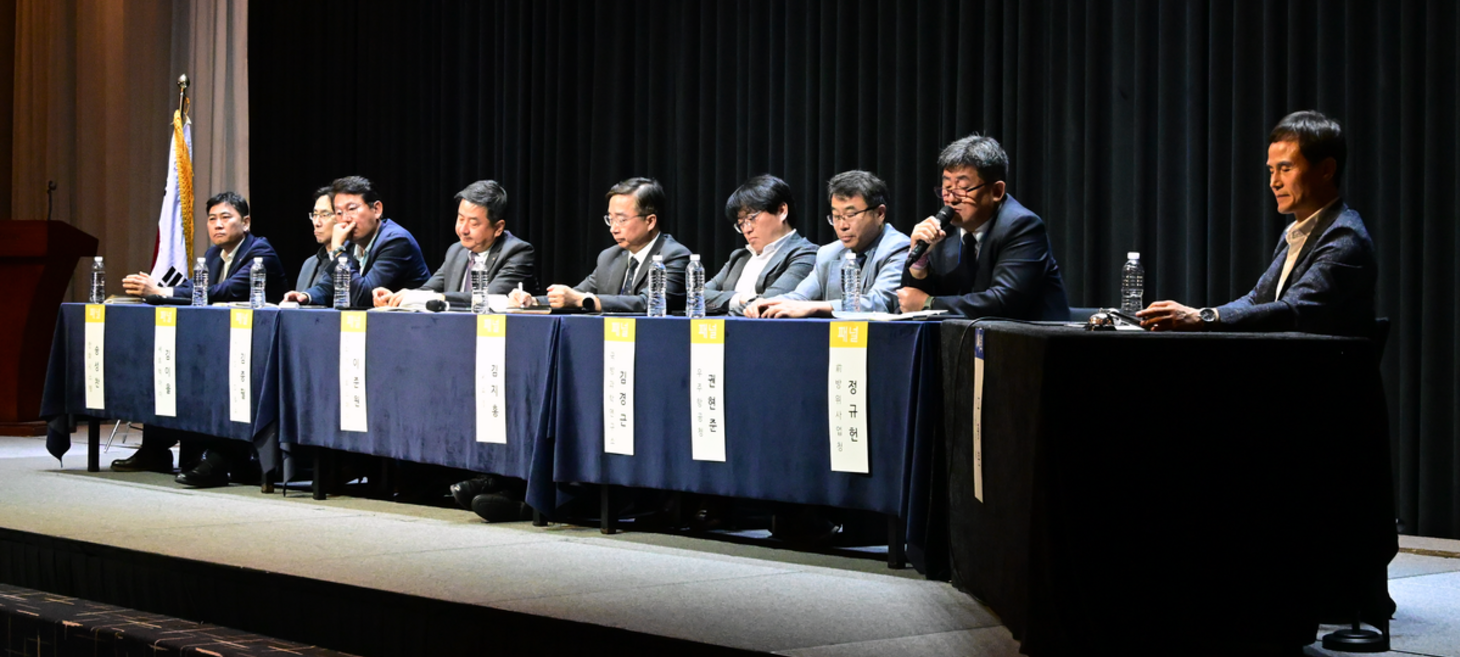
Defense Space Experts Warn Technology Gap Could Widen
The Korea Defense Space Society held its 2026 Summer Conference at the Westin Josun in Busan's Haeundae District from the 8th to the 10th. During a panel discussion held on the 9th, eight defense space experts from industry, government, and academia joined the audience in a lively exchange of views on the self-reliance and advancement of defense space technology. The discussion was moderated by Ko Kwang-bon, deputy editor of Seoul Economic Daily.
The panelists shared the tactical value of space and the expanding scope of warfare seen in conflicts since the 2020s. Kim Kyung-keun, a director at the Agency for Defense Development (ADD), said, "Currently, NATO countries are heavily dependent on the United States in the defense space sector."
He added, "While they have relied on the U.S. for securing space launch vehicles until now, a trend is emerging toward revitalizing their own related industries as the importance of defense space grows." Jung Kyu-heon, a former director general at the Defense Acquisition Program Administration, referred to the Russia-Ukraine war as "the world's first case of using private space technology companies in warfare."
Picking up on Jung's remarks, Kim Yi-eul, CEO of Satrec Initiative, forecast, "If the Russia-Ukraine war is humanity's first space war, then the recent war between the United States and Iran is an artificial intelligence (AI) war," adding that "warfare utilizing both space and AI will unfold."

Space Force awards Pulse Space $40 million to advance laser power technology
Pulse Space, a startup developing laser technology designed to transmit power and data between spacecraft, said it has won a $40 million contract from the U.S. Space Force to advance the technology.
The Bellevue, Washington-based company, founded in 2022, said the contract will support development of its laser-based technology but did not specify what military applications will be demonstrated under this agreement.

ispace Launches Lunar Integrator Service With Starship
ispace is launching a lunar rideshare offering, with help from SpaceX.
The Japanese company announced Wednesday that it had secured 500 kg of payload capacity on Starship to launch no earlier than 2030.
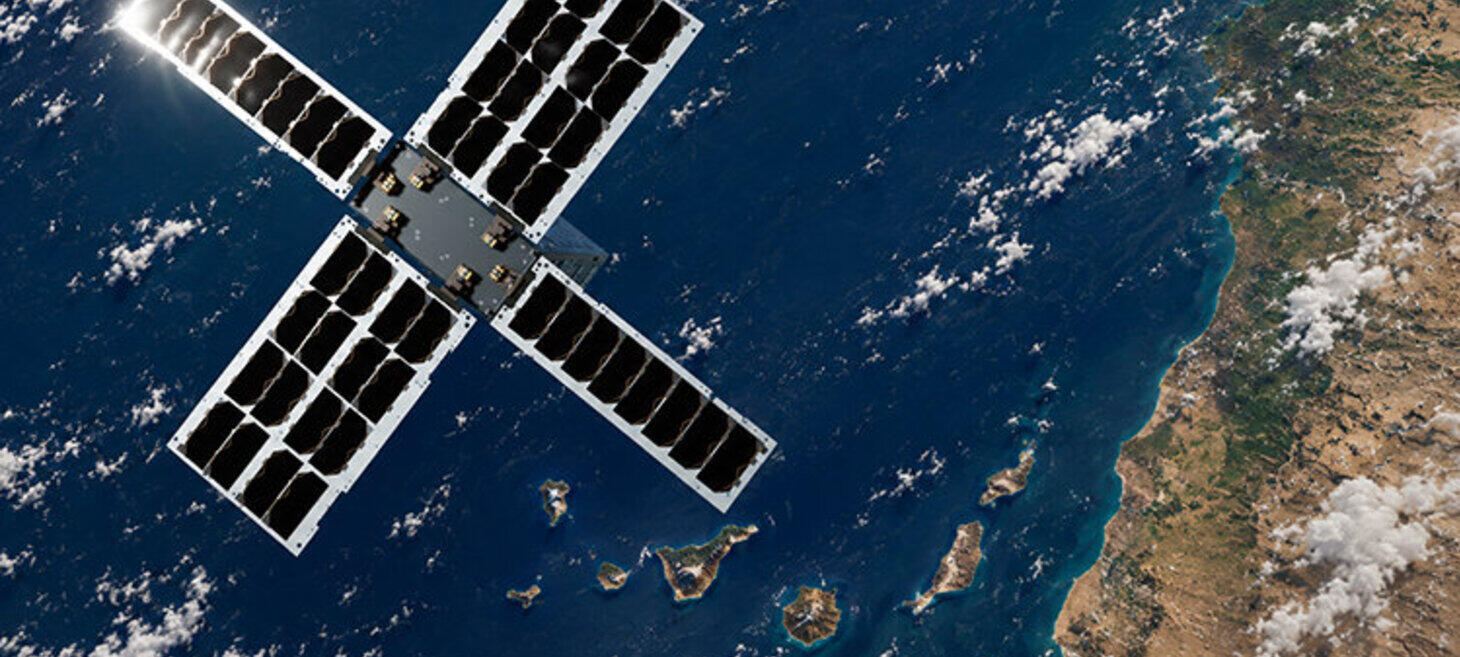
Simera Sense imaging technology selected for Canary Islands Earth Observation Constellation
The Canary Islands Satellite Constellation represents one of the most ambitious Earth observation initiatives undertaken by a regional government in Europe. Led by Telespazio Ibérica as prime contractor, the program will establish a dedicated constellation of satellites designed to support environmental monitoring, emergency response, territorial management, maritime domain awareness, and sustainable economic development across the Canary Islands.
Europe
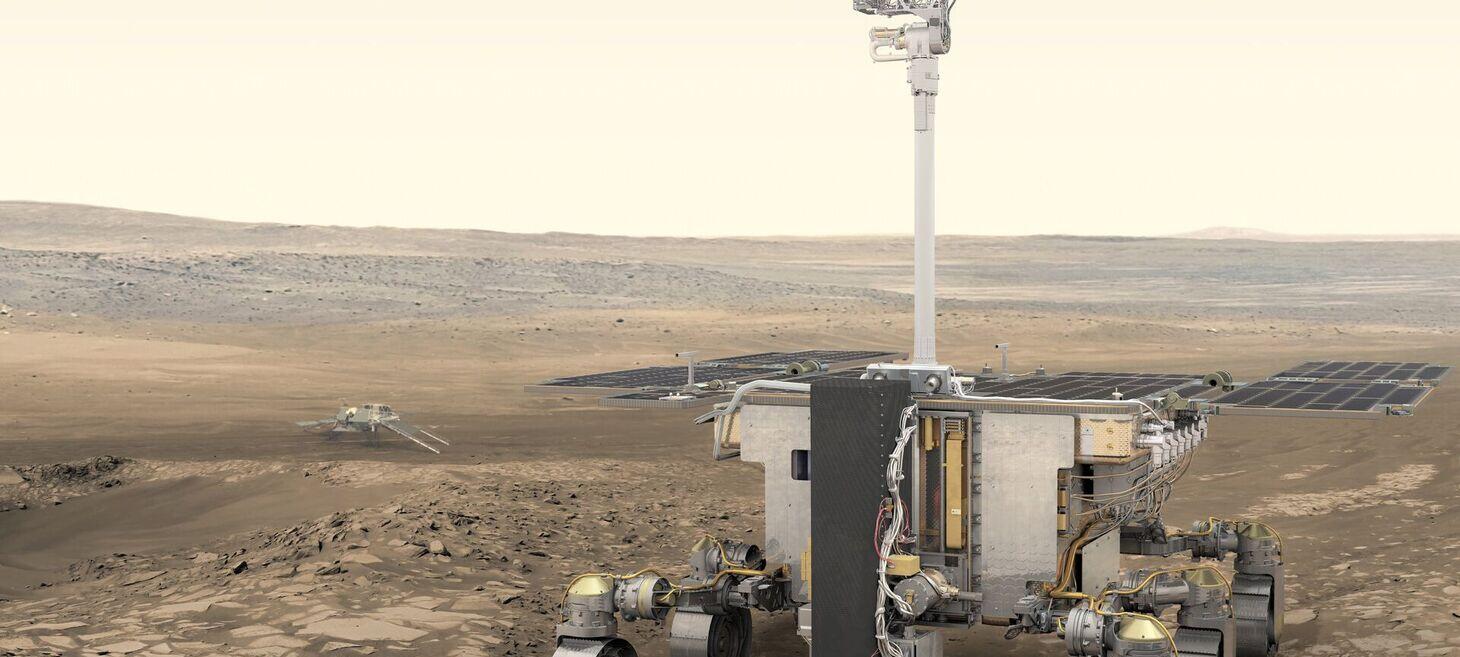
Could evidence of life on Mars be hiding in clay? Europe wants to send a rover to check
ESA's Rosalind Franklin rover will investigate possible signs of life in Martian clay.
Investment
Blue Origin Seeks $10B at $130B Valuation, Reporting Shows
Blue Origin’s days as a Bezos-funded billion-dollar pet project are coming to an end. The launch provider is reportedly opening up its business to outside investment for the first time, seeking to raise $10B at a $130B valuation, according to the New York Times.
Policy
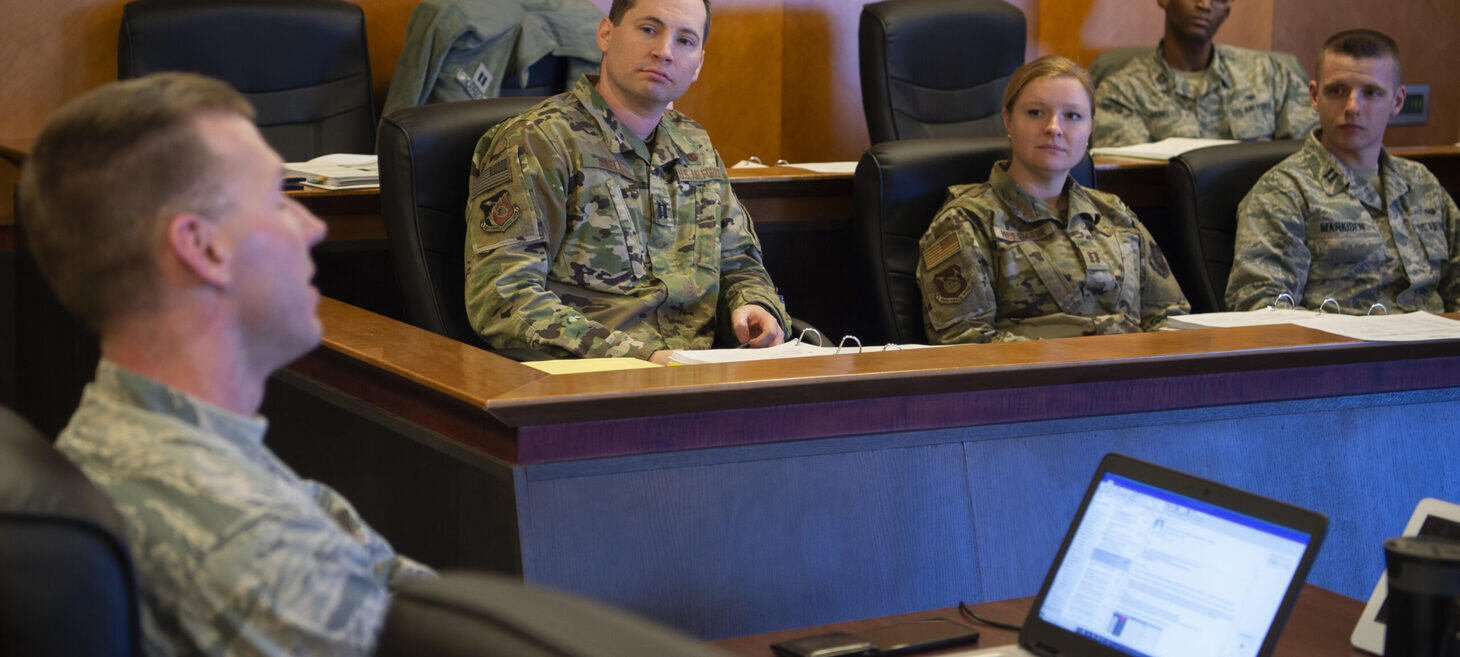
Does the Space Force Need Its Own Lawyers? Senate Seeks Answers
The Senate Armed Services Committee wants the Pentagon to study whether the unique legal issues arising from operations in space demand that the Space Force have its own lawyers.
The committee’s draft of the fiscal 2027 National Defense Authorization bill, if passed, would direct the Secretary of the Air Force and the Chief of Space Operations to determine if the Space Force’s legal needs are fully met by Air Force lawyers, who do that work today. The bill would require a report by December 2027.
Startups

Venus Aerospace raises $91 million to advance its revolutionary rocket engine design
The company envisions multiple applications on and off the planet.