
Innovation

Beyond the Horizon: A Multi-Trillion Dollar Opportunity in Defense and Space Tech
The defense and space tech sector is entering a new phase of accelerated growth and strategic importance. Catalyzed by persistent geopolitical instability, demand for faster innovation cycles, record levels of private capital, and a broadening range of mission-critical technologies, the sector’s total addressable market is projected to reach up to $5 trillion by the mid-2030s.1
Technology

Rocket Lab Unveils GHOST on a Record Quarter
The system is compatible with two Rocket Lab rockets—Electron and HASTE vehicles—meaning GHOST will be able to support both orbital and suborbital launch. It’s expected to make its operational debut in 2027 with a suborbital launch from Rocket Lab Launch Complex 4 at the Pacific Spaceport Complex in Kodiak, Alaska.
Space Force Adopts Digital Engineering Tool for NC3 Satellites
A new collaborative digital environment could change the way the Space Force—and possibly the broader Defense Department—designs and tests capabilities.
Space Systems Command has been working with General Dynamics Information Technology since 2023 to develop the platform, called Project Enigma, for its Evolved Strategic Satellite Communications program—a fleet of nuclear command and control spacecraft that will replace the legacy Advanced Extremely High Frequency satellite constellation. Because many aspects of the program are classified, SSC needed a secure environment where its prime contractor Boeing and other industry partners could share and validate designs.
Europe

Finnish Space Tech Firm ICEYE Establishes India Entity, Plans Local Production
ICEYE, a Finnish space technology company specializing in operating synthetic aperture radar (SAR) satellite constellations, has formally established its presence in India.
Its New Delhi office will support the country’s access to space-based intelligence solutions, including exploring collaborations with Indian industry on launch capabilities, electronics and components, and technology to build local capability.
Launch
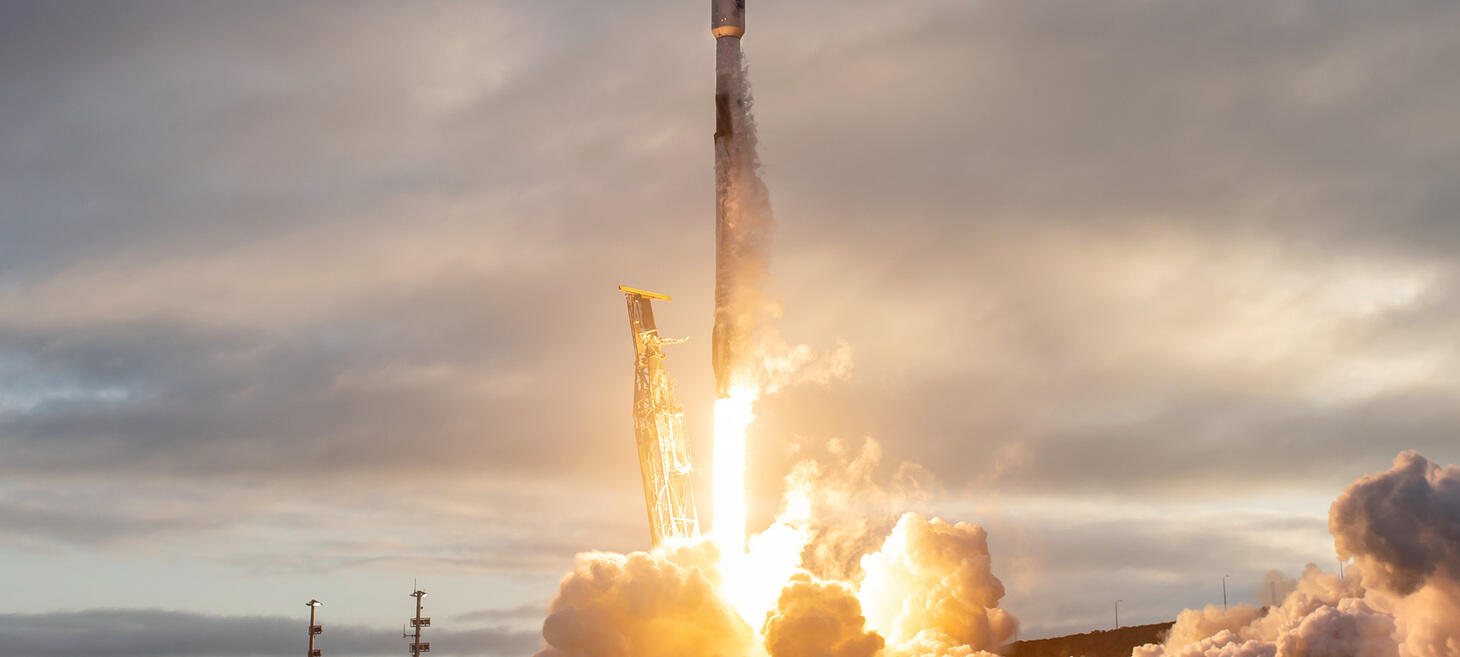
White House Sets Goal of Supporting 1,000 Rocket Launches a Year
A new White House policy calls for the Pentagon to craft plans for additional space launch facilities to support a projected increase in launch demand that could see the U.S. supporting as many as 1,000 launches by 2030, more than a fivefold increase from 2025.
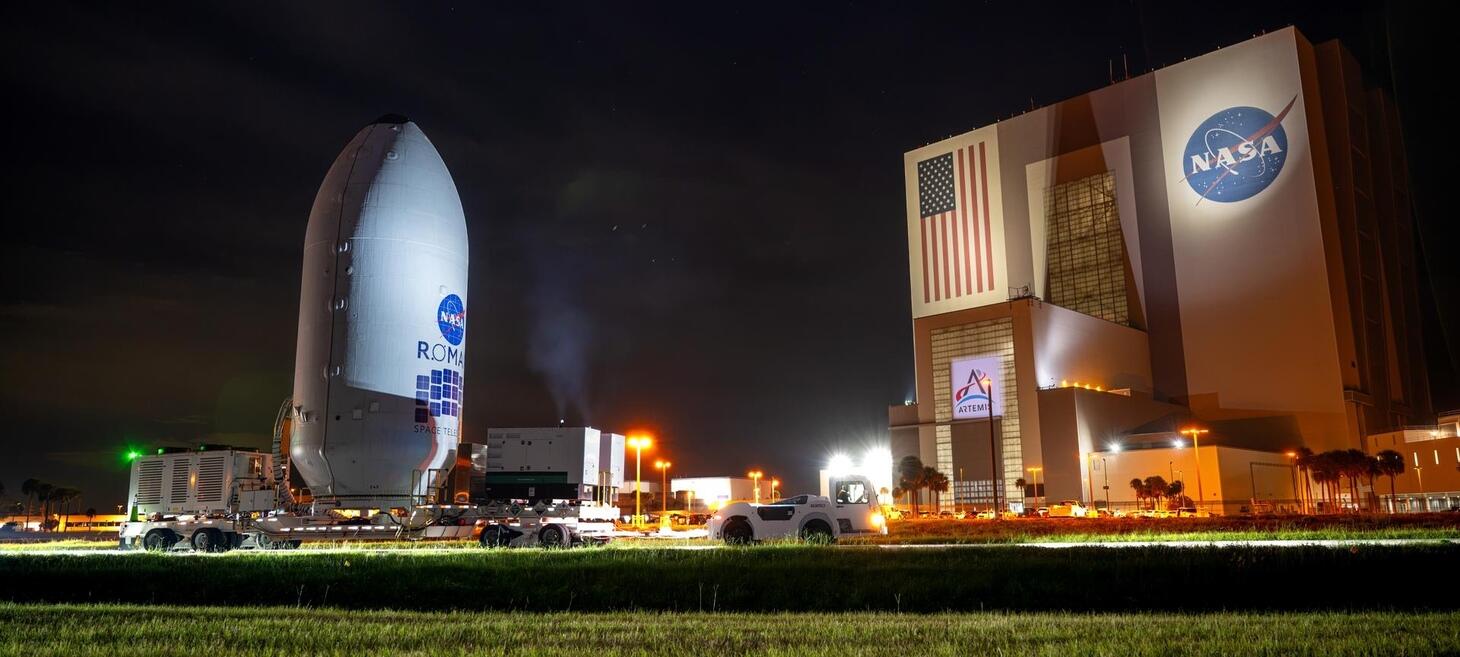
Roman Space Telescope ready for Aug. 30 launch
A NASA space telescope that promises to revolutionize cosmology and exoplanet science is ready for launch after a 16-year journey.
SpaceX
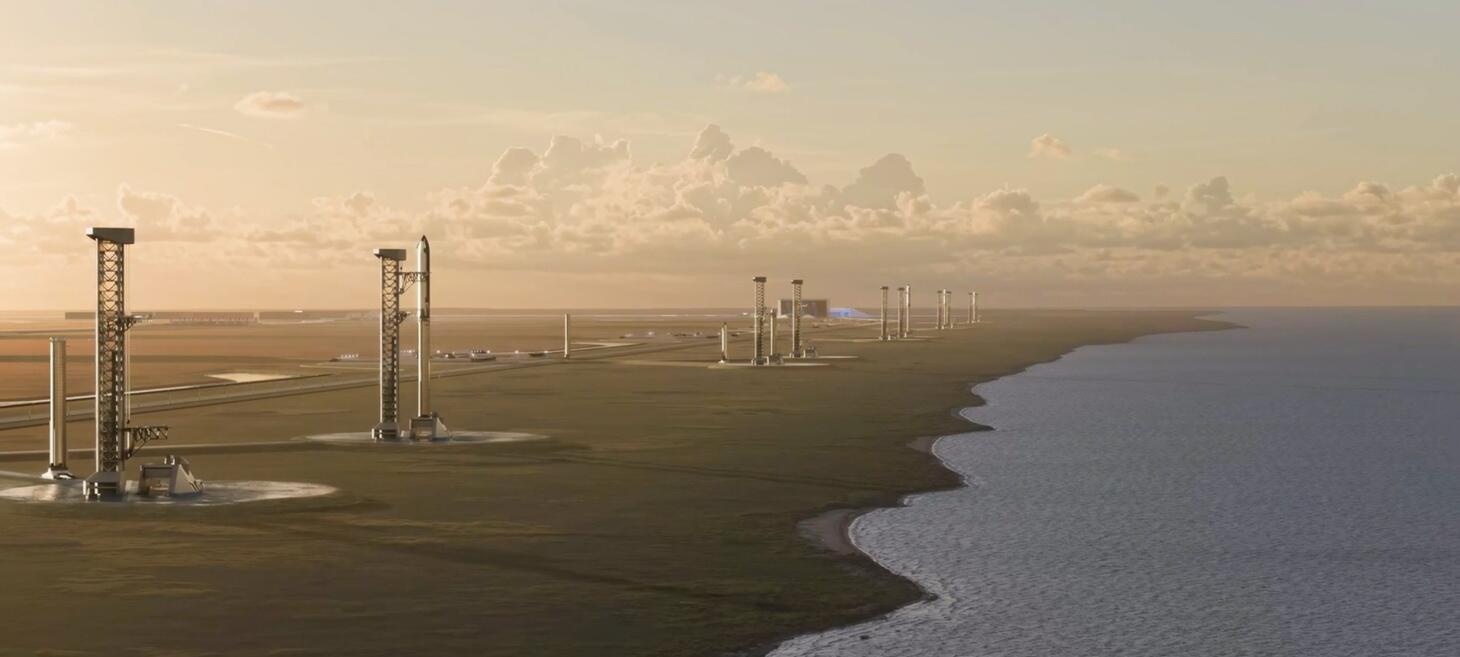
SpaceX Announces New Starbase, Louisiana Spaceport
SpaceX has just made its own Louisiana Purchase.
President and COO Gwynne Shotwell joined Louisiana Gov. Jeff Landry on Tuesday to announce Starbase, Louisiana—a high-cadence launch site for future Starship operations.
China

China’s commercial space sector expands global footprint with Thailand deal
GalaxySpace describes mission as first turnkey satellite export to a Southeast Asian customer by a Chinese commercial space company
Strategy
A stress test for Australia’s space ties with India
In 2018, while still students at India’s Birla Institute of Technology and Science, Pilani, Awais Ahmed and Kshitij Khandelwal were trying to use satellite imagery to measure chlorophyll in plants. The data they needed did not exist at the resolution and frequency required. That problem led them to found Pixxel the following year (Opens in new window). In January 2025, the Bengaluru firm put three Firefly satellites into orbit, capable of imaging the Earth across more than 150 spectral bands at five-metre resolution (Opens in new window).
Pixxel’s rise shows that Indian firms are no longer simply supplying low-cost engineering. They are creating space technology that can change how countries such as Australia monitor crops, minerals, coastlines and critical infrastructure.