
Of Note

Space Tech 2027.
In 2027, space technology will likely look less like science fiction and more like infrastructure: an expanding network of satellites, communications links and computing systems whose usefulness is measured on Earth. More capable orbital networks should improve connectivity for aircraft, ships and remote communities, while Earth-observation services become more deeply embedded in commercial and government decisions.
The defining contest will be less about who builds the most spectacular spacecraft than who can manufacture, launch and operate useful hardware reliably and repeatedly. Reusable rockets are enabling that transition, but access to orbit remains a constraint: ambition is growing faster than the capacity to deploy it.
The most intriguing frontier will be the convergence of space systems and artificial intelligence—but expect experiments, not a wholesale migration of the cloud into orbit. Google’s Project Suncatcher targets two prototype satellites for early 2027 to investigate solar-powered computing linked by lasers.
The distinction between demonstration and deployment matters: processors must withstand radiation, spacecraft must shed waste heat, and the economics must justify launching equipment that is comparatively easy to maintain on Earth. A successful test would establish that parts of the concept work, not that orbital data centers are ready to compete at industrial scale. In 2027, the credible story will be the engineering evidence, not the extravagance of the promise.
What will make the year consequential is the narrowing distance between extraordinary machines and ordinary services. Better connectivity, more capable sensing and increasingly sophisticated spacecraft could make space more economically important without making it much more visible to the people using it. Meanwhile, in-space manufacturing and other ambitious ventures will face a harder test than technical novelty: whether they can become dependable businesses. The clearest forecast, then, is not a sudden leap into a spacefaring civilization, but a demanding transition from ingenious prototypes to repeatable operations.
Innovation
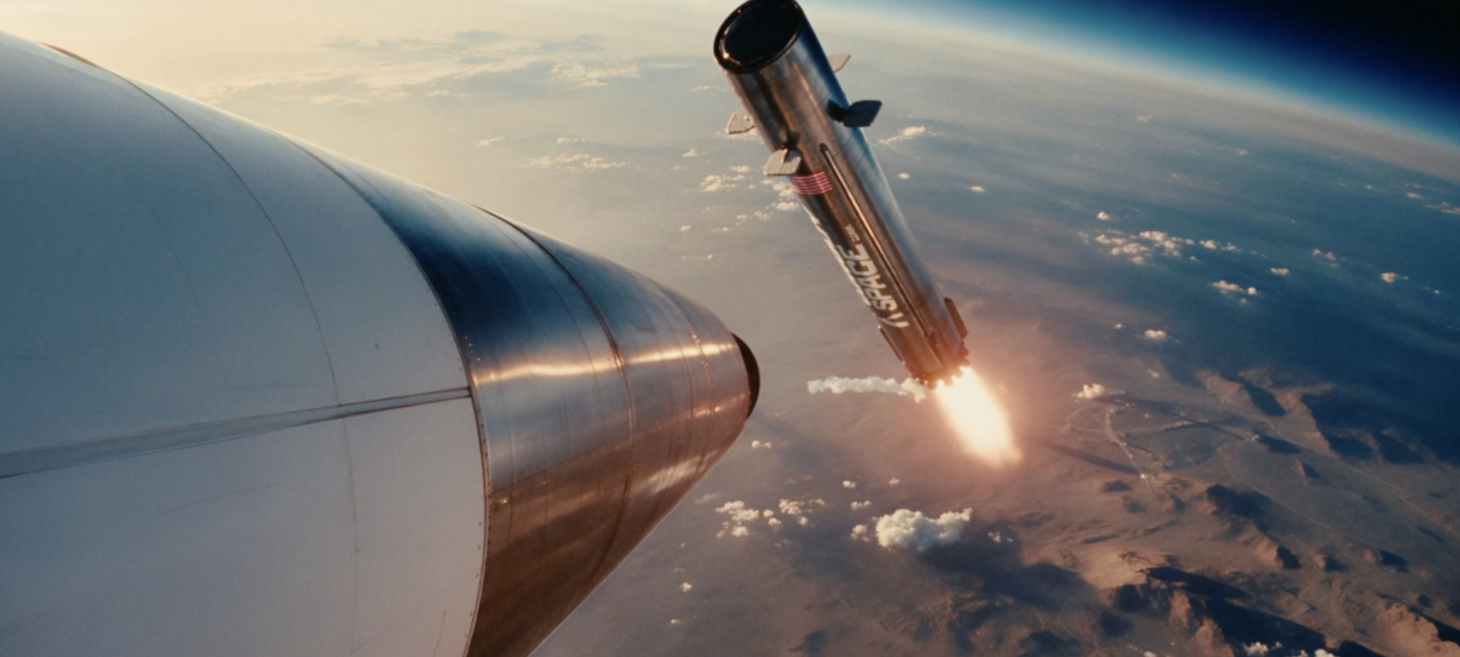
Cowboy Space Reveals Big Iron Data Center Rocket
“What we want to do is put a lot of available power in orbit, in our case to power chips, to power AI data centers,” Cowboy Space COO and Chief Legal Officer Joseph Yaffe told Payload. “The most efficient and most effective way to do that is to build our own vehicle to get us into space.”
Cowboy is also opening Big Iron to outside customers—who can fly payloads that need up to a megawatt of power—through a program dubbed Big Iron Express. “Launch capacity is at a premium right now, if available at all,” Yaffe said.
Space Force
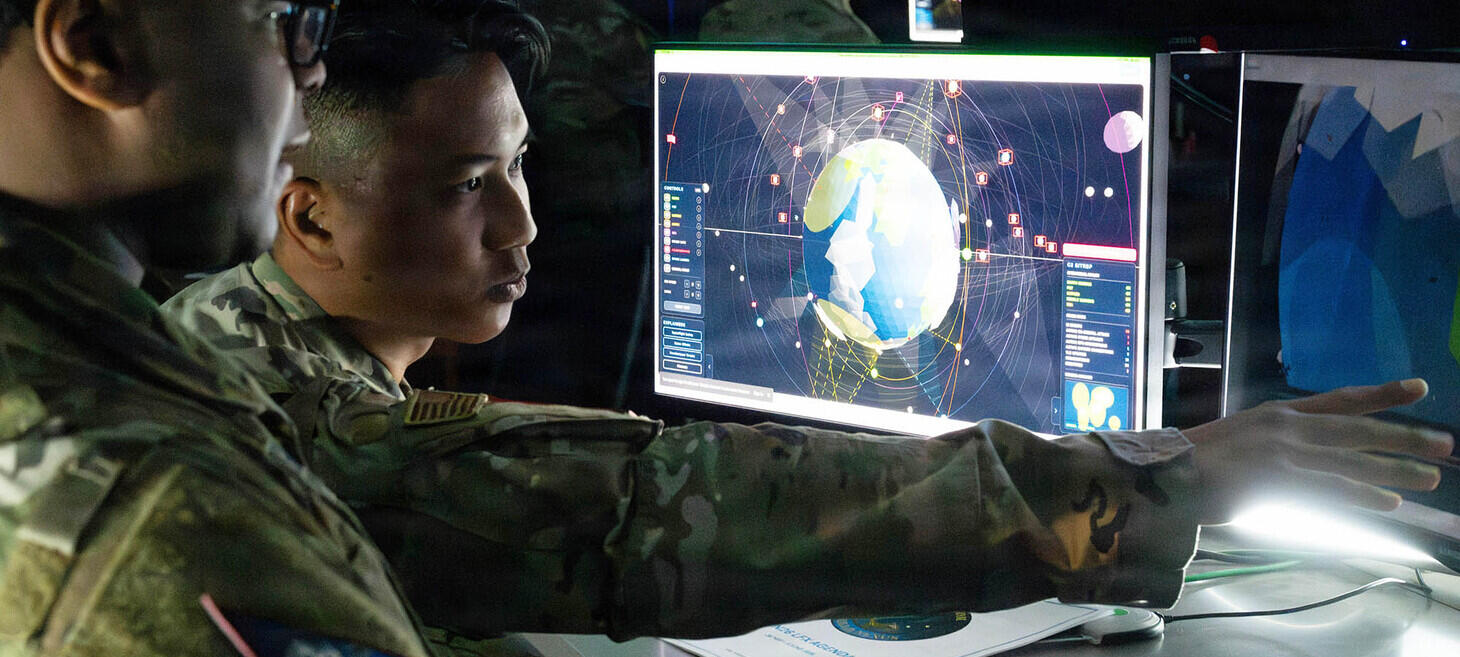
The Space Force Goes to War
The Space Force has spent the past few years preparing for war. Now, it has fought one.
The U.S. military has chronicled its strikes by sea and air on Iranian military sites in Operation Epic Fury, as well as its extensive efforts to intercept Tehran’s persistent missile and drone attacks.
Underpinning all that activity was space.
“When the order came for Epic Fury, the Space Force was a part of the decision calculus on whether we executed the joint campaign at all,” Chief of Space Operations Gen. Douglas Schiess said. “The joint force made it clear: Without the Space Force’s capabilities, the joint force could not—and would not—move forward.”
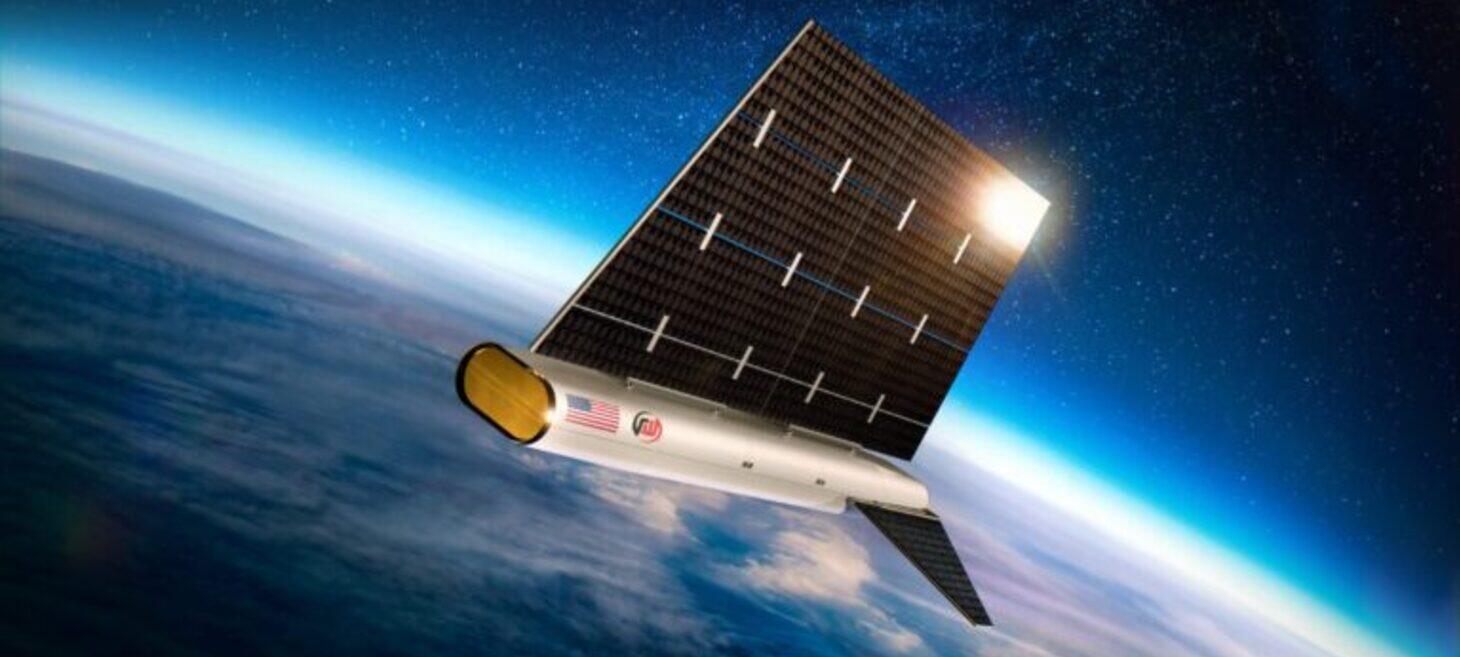
How the Space Force Is Exploring Ops at Lower Altitudes, VLEO
As commercial companies, universities, and research agencies develop new approaches to operating satellites at lower and lower altitudes, the Space Force is taking notice and considering how it might leverage those advances in both the near and long term.
Artificial Intelligence
Why tech companies are racing to put AI data centers in space
Google, SpaceX, Nvidia, and a growing group of startups are betting that orbit could solve AI’s power problem. First they have to figure out cost, cooling, and space junk.
Technology
Emerging Space Tech Still Needs Better Ways to Cross Valley of Death Experts Say
Despite Pentagon initiatives aimed at fielding innovative technology quicker, new space technologies are languishing, experts said.
The government has become adept at kicking off innovation through avenues such as Small Business Innovation Research grants and offices like the Space Force’s SpaceWERX arm, but those efforts often don’t sidestep the “valley of death,” said Tahara Dawkins, senior director of policy at aerospace company Astroscale U.S.
Europe
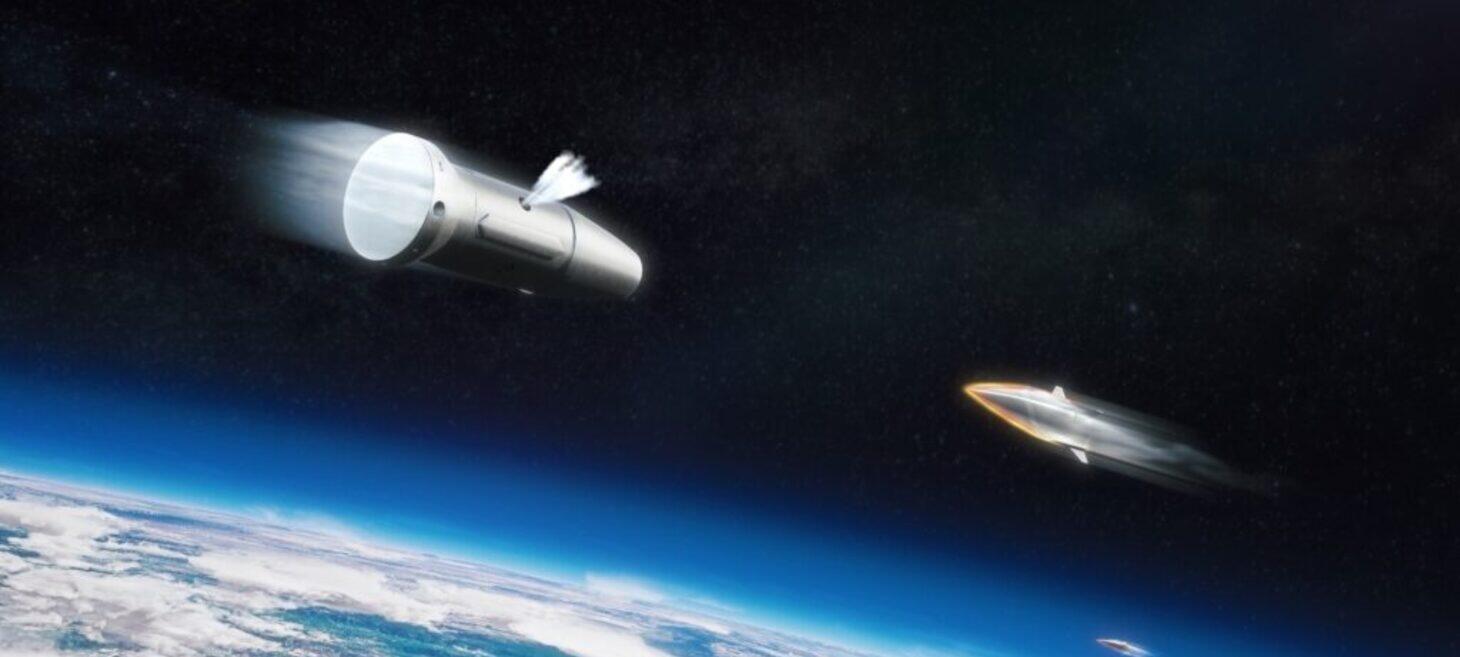
Europe Pushes Into Exo-Atmospheric Missile Defense With Bliksem EXO Interceptor
Europe is taking its missile defense ambitions beyond the atmosphere with Bliksem EXO, a sovereign interceptor designed to destroy incoming ballistic missiles through direct hit-to-kill impacts in space.
Unlike conventional interceptors that rely on explosive warheads, the new weapon uses kinetic hit-to-kill technology to eliminate threats through direct collision during the midcourse phase of flight.
SpaceX
SpaceX's 'holy grail': Catch both Starship stages after upcoming launch
Kiko Dontchev started working for SpaceX back in 2010 as one of the rocket company's early-stage engineers. Today, he oversees thousands of workers as vice president of launch — and he hopes the upcoming Starship test flight from Texas finally achieves what he calls "the holy grail of rocketry."
SpaceX is targeting 5:45 p.m. EST Friday, Nov. 13, to launch the pivotal 15th Starship test flight from Starbase in Boca Chica. After liftoff, crews will attempt to catch both the descending Super Heavy first-stage booster and the upper-stage "ship" back at the Mechazilla launch tower for the first time.
Startups

Japanese space tech startup Letara expands beyond satellite thrusters with $16M
Japan is pouring billions of dollars into its burgeoning space industry and easing restrictions on defense exports, efforts designed to build a homegrown aerospace sector filled with domestic startups that have a global reach.
Letara, a Sapporo-based startup developing hybrid propulsion systems for spacecraft, is looking to capitalize on that push. After focusing on hybrid thrusters for small satellites, the company now plans to develop large rocket systems for the space, defense, and security markets, the company’s co-CEO Shota Hirai told TechCrunch.