
Innovation

7 Revolutionary Space Tech Trends That Will Transform Life On Earth In 2026
More than half a century after humans set foot on the Moon, the final frontier still fuels our imagination. Back then, it was all about doing what had never been done before and doing it first. In 2026, however, space exploration, research and technology are about breakthroughs and achievements that will benefit everyone.
From satellite constellations that improve our ability to communicate, to the discovery of new materials that could play an essential role in humanity’s future, space is increasingly becoming a platform for solving down-to-earth problems right here.
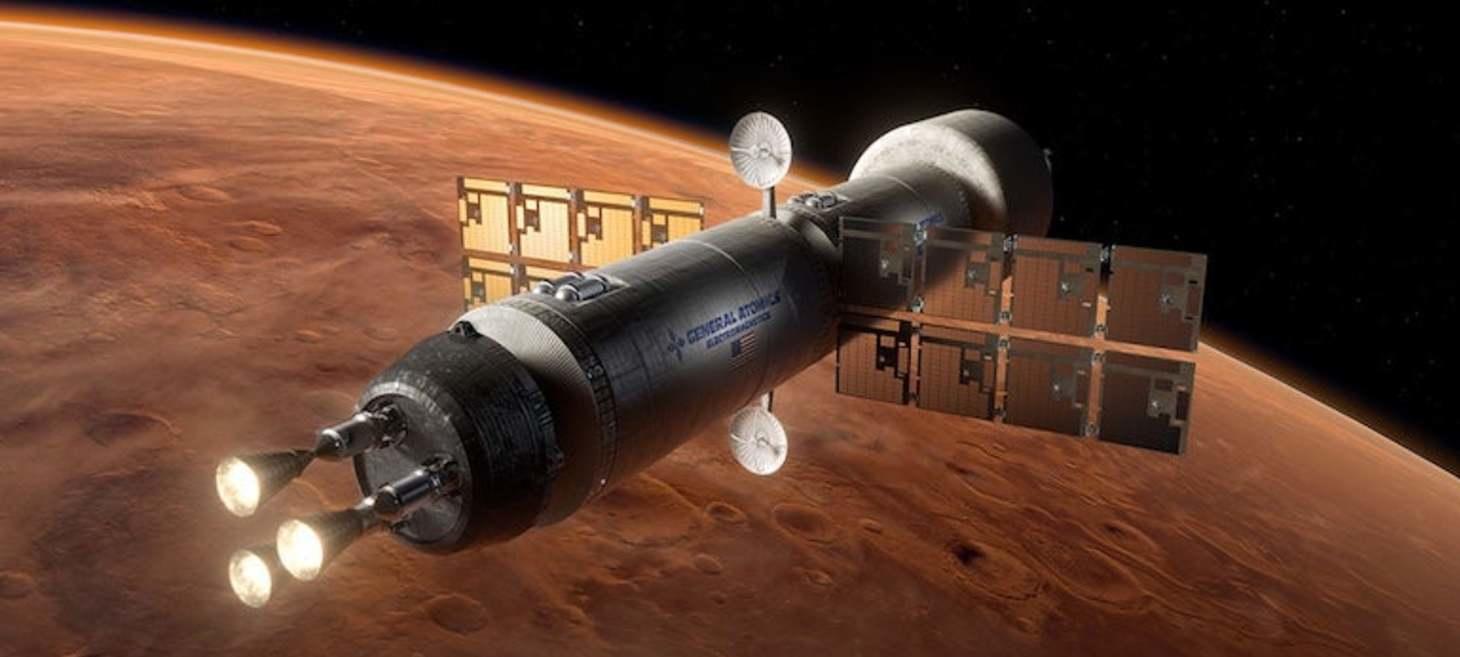
NASA tests nuclear space tech
Engineers at NASA’s Marshall Space Flight Center (MSFC) in Alabama have completed the first cold-flow tests of a full-scale nuclear reactor prototype since the 1960s in support of space nuclear propulsion. The unit, similar to a 100-gallon drum, mimics nuclear thermal propulsion operations where hydrogen propellant heats via fission for exhaust at twice the efficiency of chemical rockets.

Space tech company to invest $6.75M, add 100 jobs in Reston
Umbra, a U.S. space technology company specializing in remote sensing and satellite systems, plans to invest $6.75 million in a Northern Virginia expansion, creating more than 100 jobs in Fairfax County, Gov. Abigail Spanberger announced.
Umbra plans to add a 20,000-square-foot office in Reston to go with its existing Arlington County headquarters
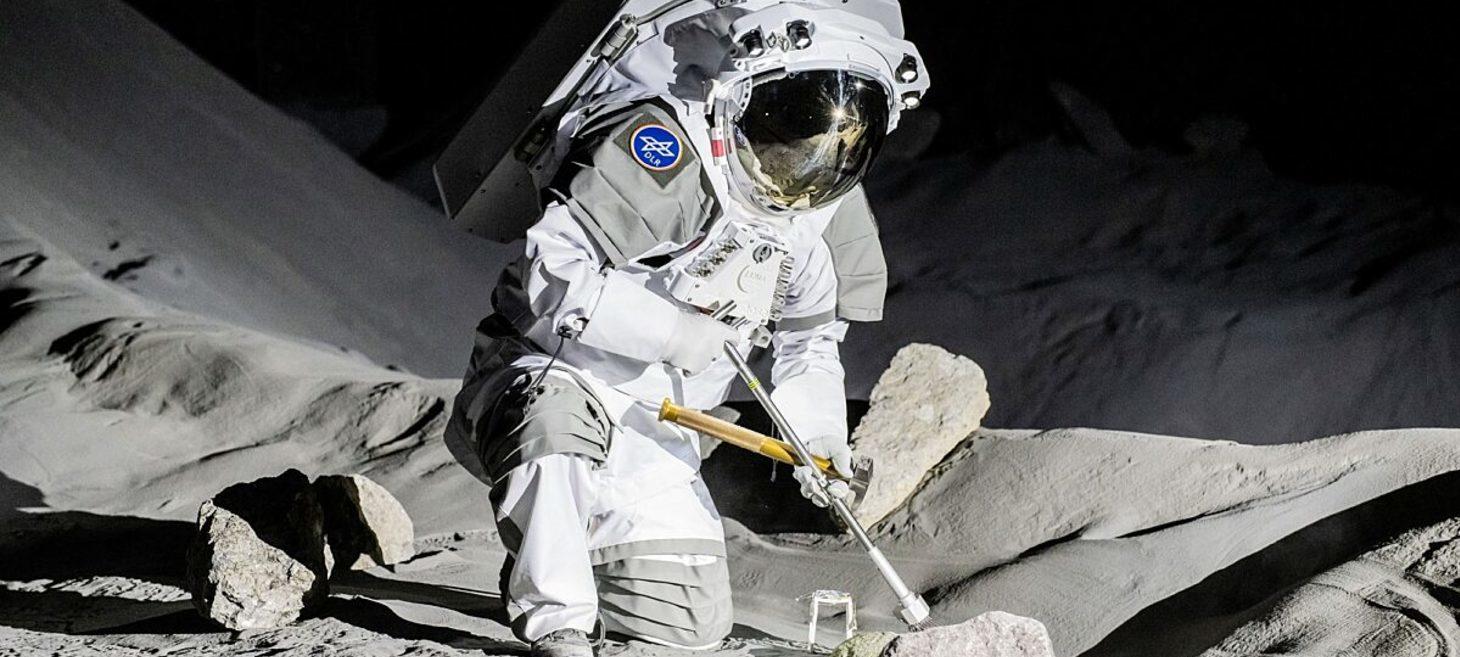
Space tech of the past, present, and future
This astronaut isn’t on the Moon, but is as close as it gets on Earth — the LUNA facility in Cologne, Germany. This training and testing ground is a collaborative project between the European Space Agency (ESA) and the German Aerospace Center (DLR). The expansive facility simulates Moon-like conditions, including simulated lunar dust that allows for sampling and drilling up to three meters (nearly 10 feet) below the surface. Image credit: DLR/ESA.
Ladi, rising on global tech space
In a Silicon Valley ecosystem often distracted by the hype cycle, genuine outliers are rare. Yet, tracing the rapid ascent of Oladimeji “Ladi” Olaniyan offers a compelling case study in substantive leadership. To observe his career is to witness a professional who moves with the grounded precision of an engineer, yet executes with the strategic vision of a seasoned executive—a unique perspective that wasn’t forged in a coding bootcamp or a startup incubator, but on the oil fields of Lagos, Nigeria.
Technology
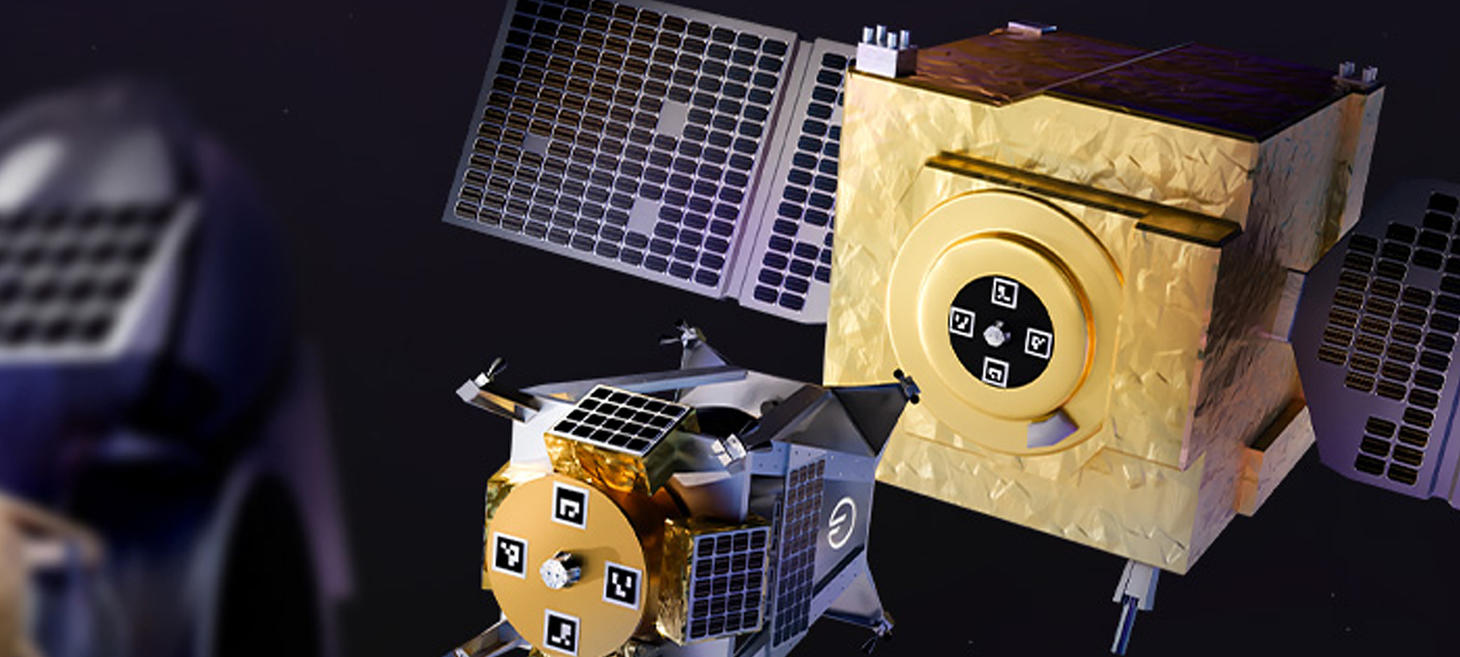
Space Force Surveys Industry For Refueling Tech
As the Space Force continues to weigh the military utility and economic viability of refueling satellites in orbit, it’s asking industry for systems that could start doing so by 2030.
VC

Space Tech Company CesiumAstro Scales With $470M in Funding
CesiumAstro, an Austin-based company developing advanced connectivity solutions for the space and defense sectors, announced a total of $470 million in growth capital to help it scale. The round consists of $270 million in equity funding led by Trousdale Ventures alongside $200 million in a financing package from EXIM Bank and J.P. Morgan.
Europe
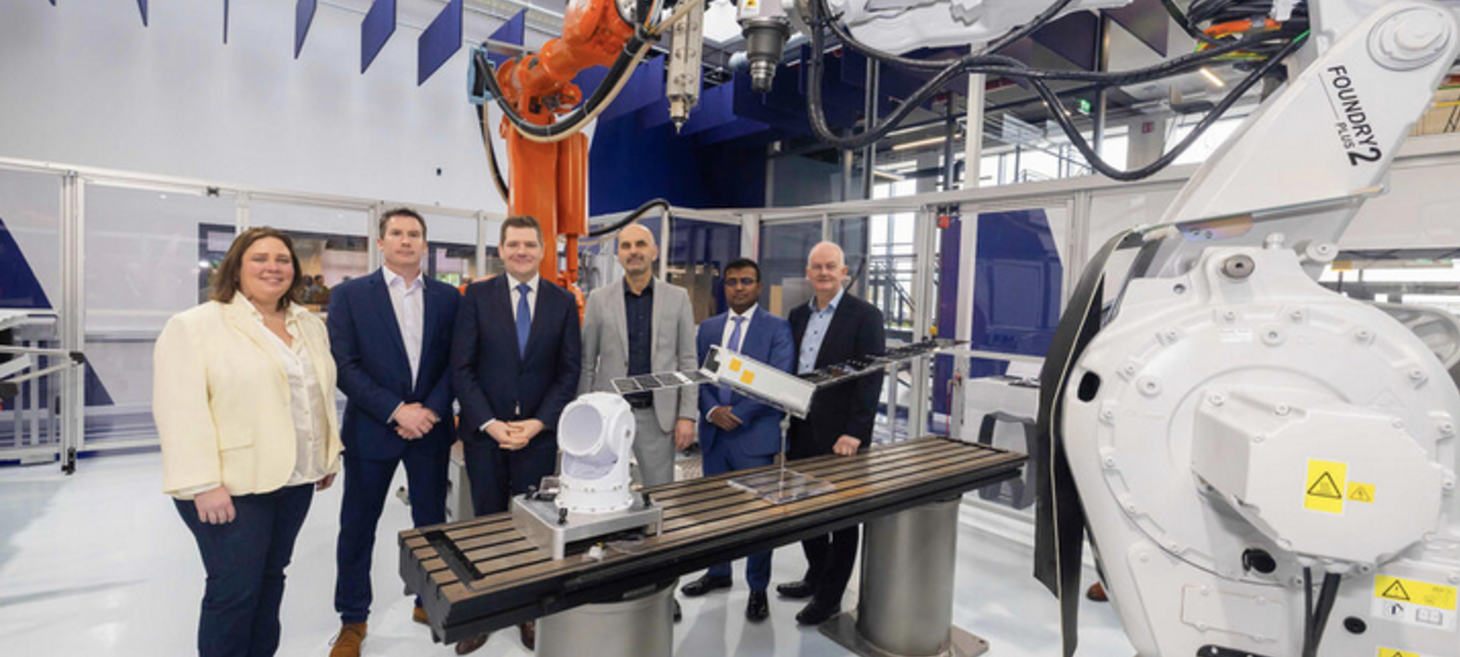
ESA - ESA Phi-Lab Ireland launches to drive space tech innovation
Irish ambitions to grow its space manufacturing ecosystems have taken a major step forward today with the launch of the European Space Agency Phi-Lab Ireland, a facility that transforms cutting-edge research into commercial technologies.
Investment

Why space tech investment matters
At the 2026 World Economic Forum in Davos, GZERO’s Tony Maciulis spoke with Ariel Ekblaw, Founder of the Aurelia Institute, about how scaling up infrastructure in space could unlock transformative breakthroughs on Earth.
Ekblaw explained that new approaches to building in orbit make it possible to go beyond the limits of rocket launches. “The reason we’re so excited about this is it lets us build things that are bigger than our biggest rocket payload fairing,” she said.

CACI to acquire space tech outfit for $2.6B
The purchase of Arka Group represents the largest-ever by CACI International, which is adding more space-based sensor systems and hardware.