Innovation

Space Force Awards Key Software Contract for Strategic SATCOM
The Space Force awarded a major deal July 27 as part of its competition to develop the core mission planning software that will manage its future fleet of nuclear command and control satellites.
Space Systems Command announced a $287 million award to Sphinx Defense to develop a mission planning prototype for the Evolved Strategic Satellite Communications program’s ground segment. The application will help the service manage the network, apportion bandwidth among users, and provide the President and other national leaders with resilient, secure communications.
Space Force Wants Commercial Bandwidth for SATCOM Experiments
The Space Force is moving forward with a series of experiments to test ideas for broadening its narrowband satellite communication mission to medium-Earth orbit, and a new notice to industry seeks commercial satellites to help demonstrate the viability of a future hybrid architecture.
Artificial Intelligence
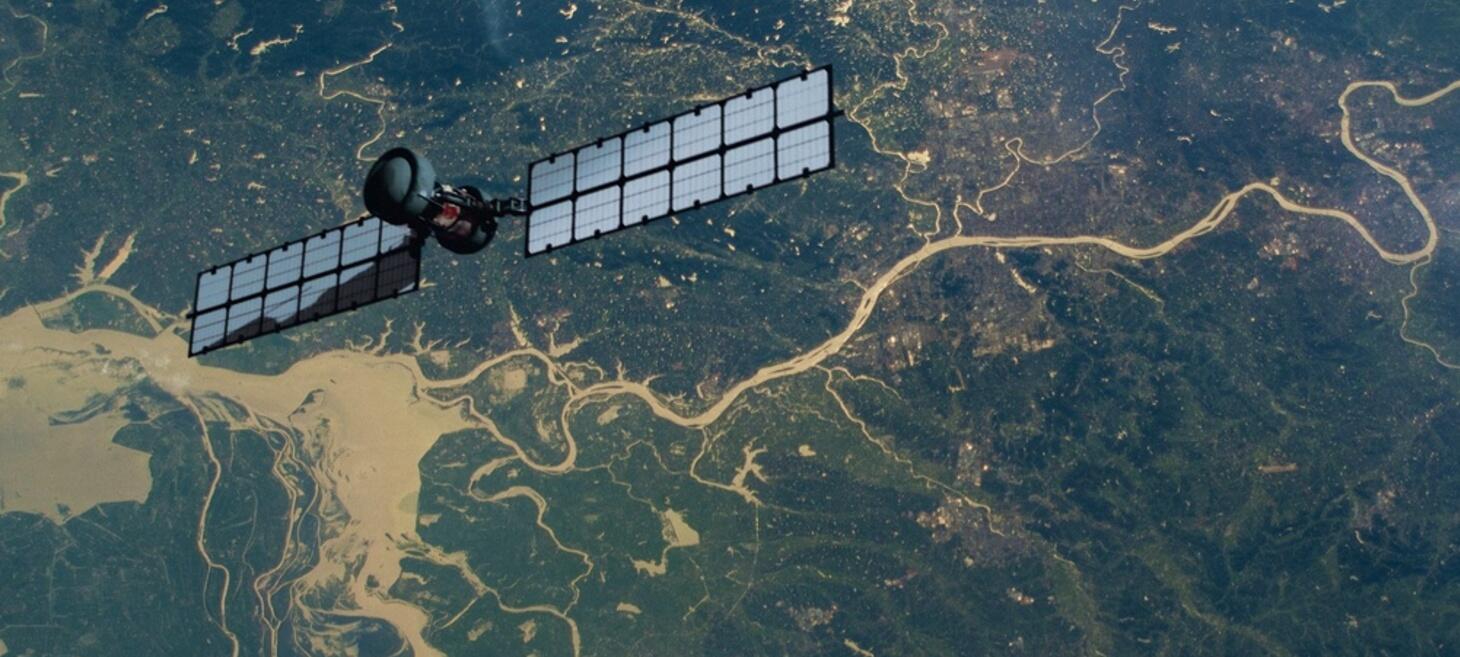
Geosystems Hellas transforms space data into geospatial intelligence
Geosystems Hellas connects artificial intelligence with Earth observation, geopositioning and timing, delivering operational products that support decision-makers in Greece, Cyprus and across Europe
Technology
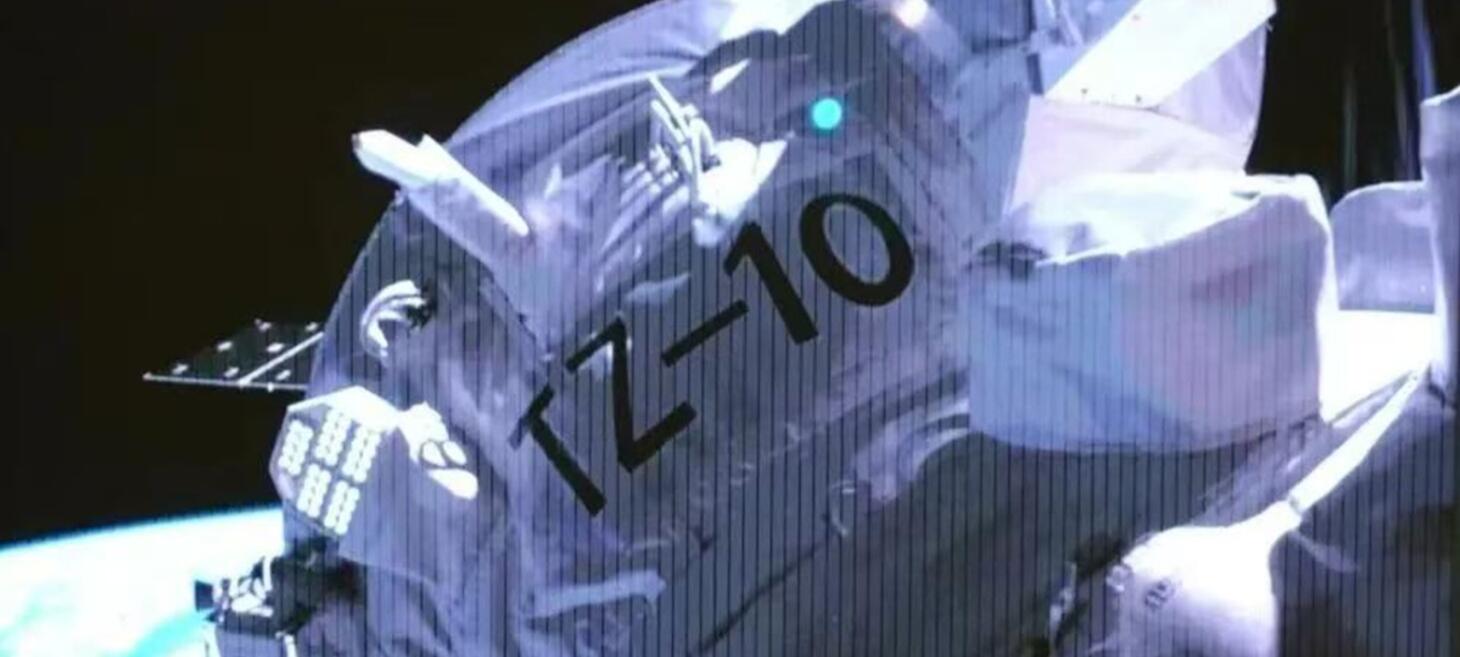
China completes first in-orbit test of 400V space power system, paving way for future high-power spacecraft missions including manned lunar exploration
A new-generation space power system developed by China has successfully completed all in-orbit tests aboard the Tianzhou-10 cargo spacecraft, marking the first time worldwide that a 400-volt (400V) bus power system has been applied in orbit, according to the system developer.
The project was led by the Institute of Manned Space System Engineering under the China Academy of Space Technology (CAST), also known as the Fifth Academy of China Aerospace Science and Technology Corporation (CASC), with participation from multiple research institutes and industry partners.
UI to use space tech to forecast water nitrate levels
NASA is funding a new project with the University of Iowa and local city water facilities to predict nitrate concentrations in water.
The initiative will combine water quality measurements from monitors across the state with NASA satellite imagery of rainfall and land use.
UI engineering professor Jesus Gomez-Velez says his team will use artificial intelligence to turn historical data into a forecasting model.
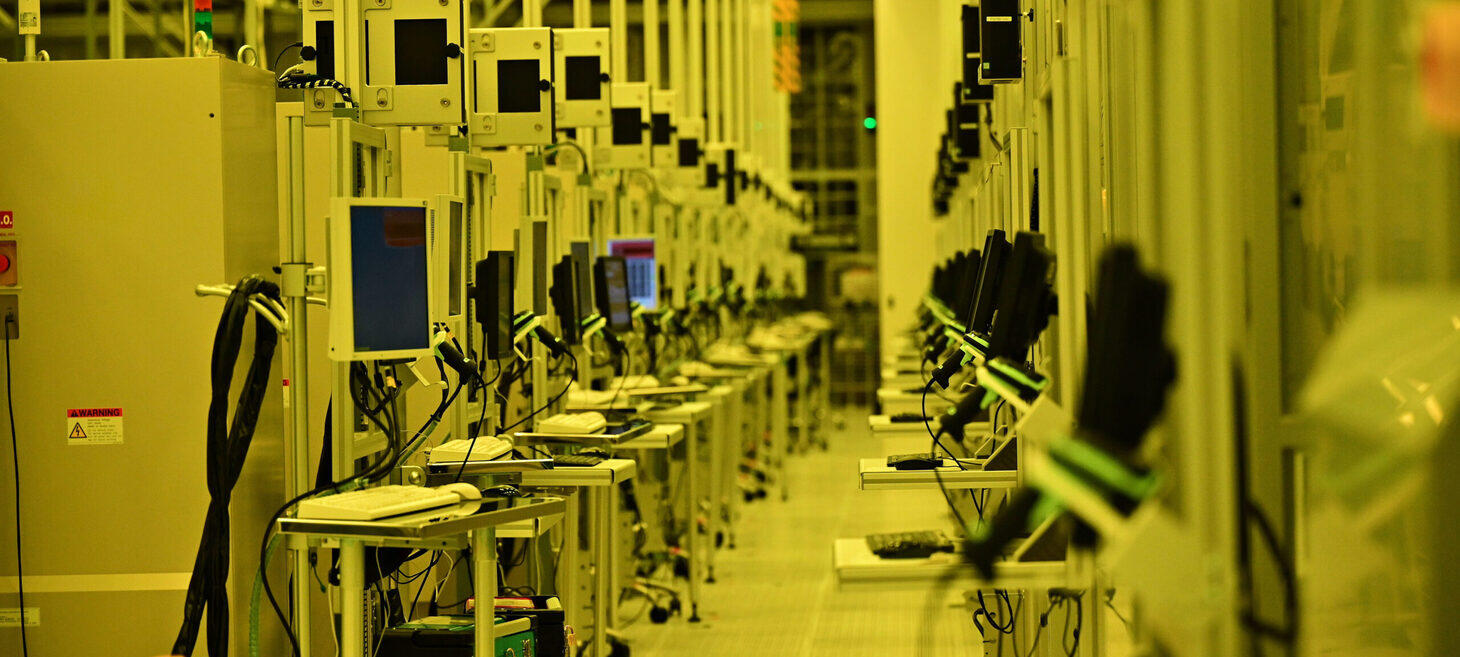
Intel debuts new chip for space computing
Starfire is designed to support onboard data processing and AI workloads.
Investment

Indian Spacetech Startups Raise $871M, Skyroot Leads
Indian spacetech startups have secured $871 million in funding, led by Skyroot Aerospace, India''s first spacetech unicorn. Bengaluru emerges as a key hub.
Launch
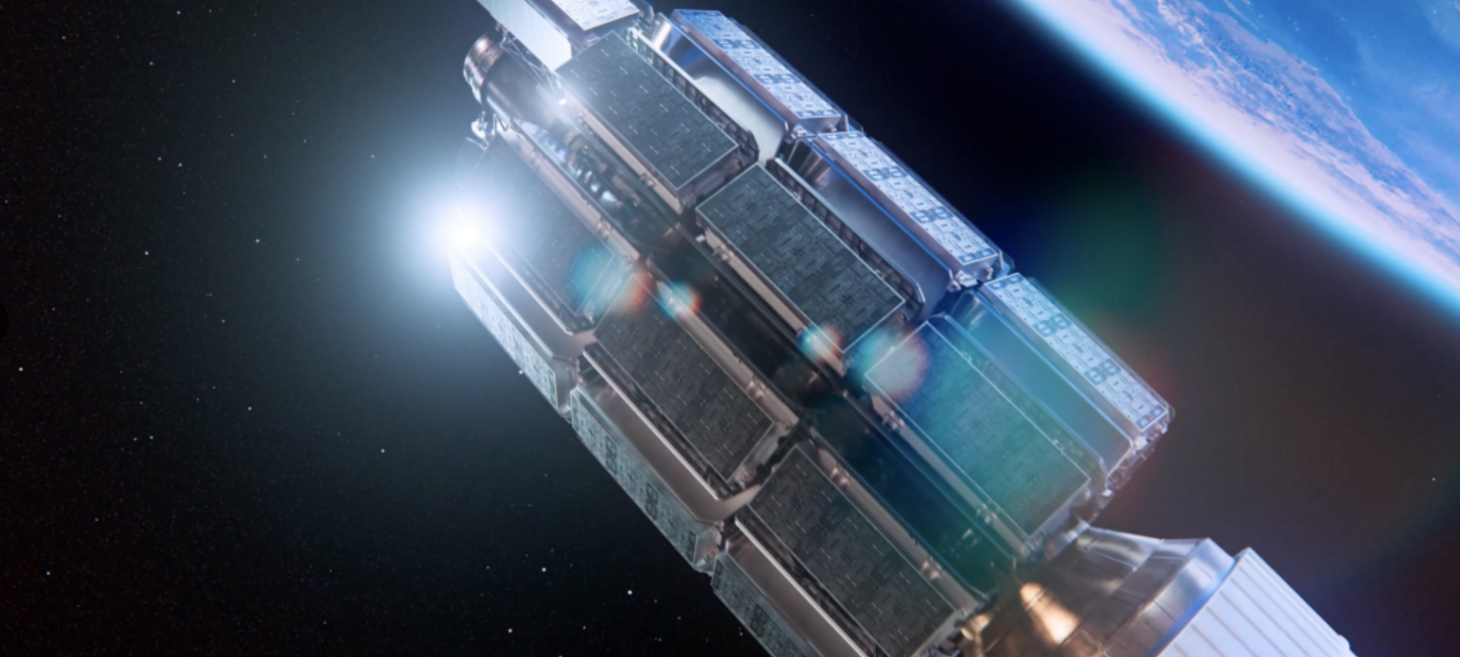
Amazon Joins the Direct-to-Device Race
Amazon ($AMZN) is entering the D2D game after filing a request with the FCC on July 24 to launch up to 5,105 LEO satellites to beam voice, text, and data directly to smartphones.
The constellation—officially known as the Amazon Leo Direct-to-Device System—would run on spectrum from Globalstar ($GSAT), which Amazon is buying for $11B+ in a deal not expected to close until 2027. Amazon is asking regulators to sign off before it owns the airwaves, which is the same move SpaceX ($SPCX) made with its own D2D filing last year.
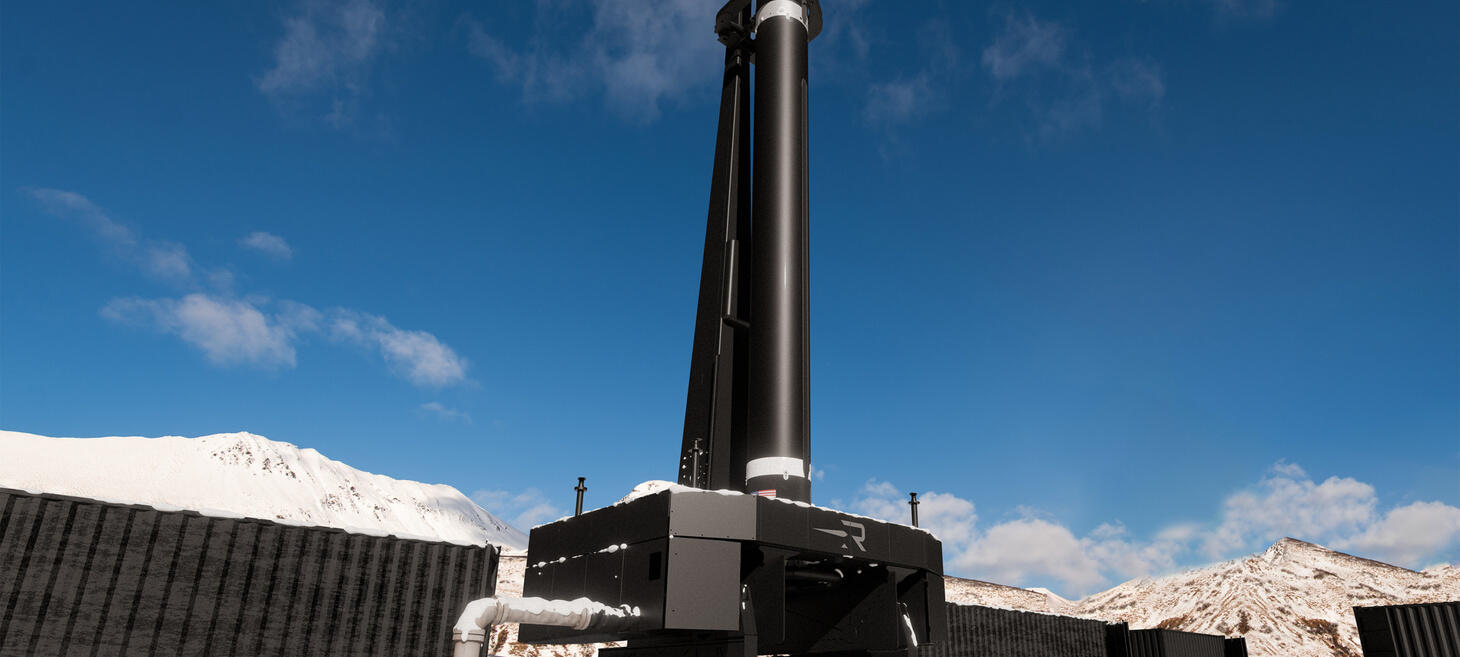
Rocket Lab Expands to Alaska with $266M Launch Contract
Rocket Lab ($RKLB) announced its largest launch contract to date yesterday: a $266M multi-launch agreement with SSC covering 12 suborbital launches, including the option for SSC to add six more.
To complete the mission, Rocket Lab will open up a new launch site—its fourth—at the Pacific Spaceport Complex-Alaska (PSCA) in Kodiak. Launches are expected to begin no earlier than the end of this year.